

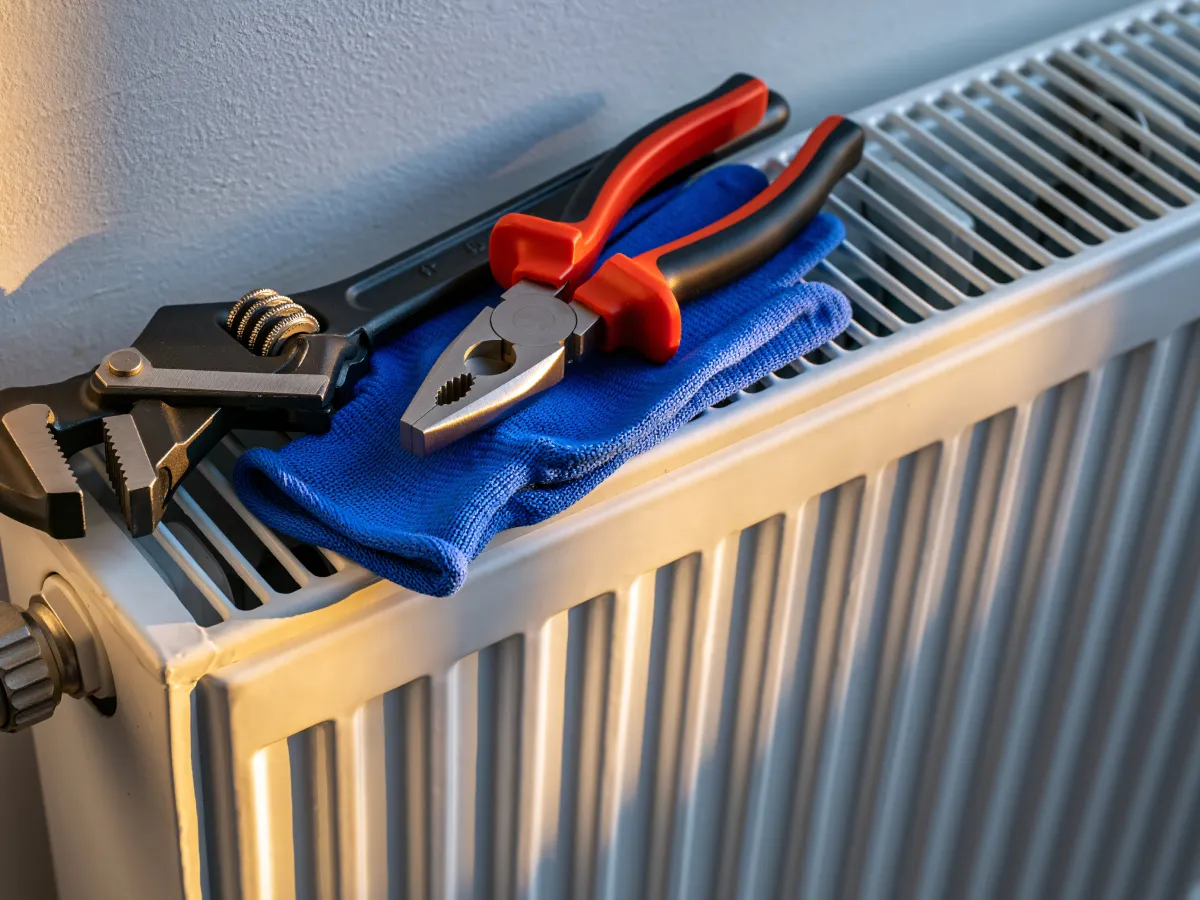
Know When to Replace vs. Repair Your Furnace
In Creedmoor and surrounding North Carolina communities, where winter temperatures regularly dip into the low 30s and occasional freezes occur, heating systems work harder during December through February, potentially shortening their effective lifespan. Homeowners who neglect annual maintenance or ignore early warning signs often face premature system failure during the coldest weeks of the year.
Recognizing the right time to replace rather than repair your heating equipment requires understanding several key indicators. Age remains the primary consideration. If your furnace or heat pump approaches the 15-year mark and requires frequent repairs, replacement typically delivers better long-term value. Rising energy bills signal declining efficiency, meaning your system consumes more fuel or electricity to produce the same heat output. Uneven heating throughout your home suggests your system no longer distributes conditioned air effectively. Strange noises including banging, squealing, or rattling indicate worn components that may fail completely. Frequent cycling on and off reveals a system struggling to maintain desired temperatures.
The decision between repair and replacement involves calculating the cost-benefit ratio. Industry professionals recommend the 50 percent rule: if repair costs exceed half the price of a new system and your current equipment has surpassed its midpoint lifespan, replacement makes financial sense. Modern heating equipment offers significantly improved efficiency ratings compared to units installed 15 to 20 years ago, translating to lower monthly utility costs that offset the initial investment over time. Newer systems also include advanced features like variable-speed blowers, modulating burners, and smart thermostat compatibility that enhance comfort while reducing energy consumption.
Schedule Fall Inspections Before Cold Weather Arrives
Preventive maintenance represents the single most effective strategy for avoiding heating system failures during peak demand periods. In the Raleigh-Durham area, where temperatures can swing dramatically within 24 hours during transitional seasons, heating systems that receive annual professional inspections demonstrate significantly longer lifespans and fewer emergency service calls. Fall maintenance appointments scheduled between September and early November allow homeowners to address potential issues before cold weather creates urgent situations.
A thorough heating system inspection includes multiple critical checkpoints that identify developing problems before they cause complete failures. Technicians examine heat exchangers for cracks or corrosion that could allow dangerous carbon monoxide leaks. They test ignition systems to ensure reliable startup during cold mornings. Blower motors receive lubrication and inspection for worn bearings that create noise or reduce airflow. Electrical connections undergo tightening and testing to prevent shorts or failures. Gas pressure measurements confirm proper fuel delivery for efficient combustion. Thermostat calibration ensures accurate temperature control. Ductwork inspections reveal air leaks that waste energy and reduce system performance.
Homeowners often underestimate the cumulative impact of minor inefficiencies. A dirty air filter restricts airflow, forcing your blower motor to work harder and consume more electricity. A misaligned burner assembly wastes fuel and produces incomplete combustion. A loose electrical connection creates resistance that generates heat and poses fire risks. These small issues compound over time, gradually degrading system performance until a critical component fails. Regular maintenance identifies and corrects these problems while they remain minor and inexpensive to address.
Beyond mechanical inspections, maintenance visits provide opportunities to discuss system performance concerns with qualified technicians. If certain rooms never reach comfortable temperatures, airflow balancing or ductwork modifications may solve the problem. If your system runs constantly during cold spells, capacity issues or efficiency losses may require attention. If indoor air quality concerns arise, filtration upgrades or humidity control solutions can improve breathing comfort. These conversations help homeowners make informed decisions about their heating systems rather than reacting to emergencies.
Modern Controls Deliver Precision Temperature Management
Thermostat technology has advanced dramatically over the past decade, transforming these devices from simple temperature switches into intelligent comfort management systems. Older mechanical thermostats with mercury switches offered minimal control and often drifted out of calibration over time. Basic digital models improved accuracy but provided limited programming options. Today’s smart thermostats learn household patterns, adjust settings automatically, and provide detailed energy usage data through smartphone applications.
Programmable and smart thermostats deliver measurable financial benefits through optimized heating schedules. Rather than maintaining constant temperatures when nobody occupies the home, these devices automatically reduce heating during work hours and overnight sleep periods, then warm the house before occupants return or wake. This intelligent scheduling typically reduces heating costs by 10 to 15 percent without sacrificing comfort. For families in Creedmoor where both adults work outside the home during weekdays, the savings accumulate substantially over heating seasons.
Smart thermostat features extend beyond basic scheduling to include geofencing, learning algorithms, and energy reporting. Geofencing uses smartphone locations to detect when occupants leave or approach home, adjusting temperatures accordingly without manual intervention. Learning algorithms observe household patterns for several weeks, then create optimized schedules automatically. Energy reports display daily and monthly heating costs, helping homeowners identify usage spikes and adjust behaviors. Remote access allows temperature adjustments from anywhere through smartphone apps, useful for vacation management or unexpected schedule changes.
Compatibility considerations affect thermostat selection and installation. Most modern heating systems work with standard programmable thermostats, but certain equipment types require specific thermostat models. Heat pumps need thermostats designed to prevent auxiliary heat activation during minor temperature adjustments. Multi-stage systems require thermostats capable of controlling variable-speed equipment. Zoned systems demand specialized controls that manage multiple heating zones independently. Professional installation ensures correct wiring, proper configuration, and optimal performance while avoiding equipment damage from incorrect connections.
Clean Ductwork and Proper Filtration Protect Equipment
Indoor air quality and heating system performance maintain an interconnected relationship that many homeowners overlook until problems develop. Dust, pollen, pet dander, and other airborne particles accumulate within ductwork over time, restricting airflow and contaminating heated air distributed throughout living spaces. In areas around Durham and Raleigh where spring pollen counts rank among the nation’s highest, particles infiltrate homes through windows, doors, and ventilation systems, settling within ducts and on heating components.
Air filter selection significantly impacts both system longevity and indoor air quality. Standard fiberglass filters capture only large particles and offer minimal protection for equipment or occupants. Pleated filters with MERV ratings between 8 and 12 trap smaller particles, including mold spores, dust mite debris, and fine dust while maintaining adequate airflow. High-efficiency filters with MERV ratings above 13 provide hospital-grade filtration but may restrict airflow in systems not designed for high-resistance filters. Choosing the appropriate filter type requires balancing air quality goals with system capabilities.
Filter replacement frequency depends on multiple variables, including filter type, household occupancy, pet presence, and outdoor air quality. Manufacturers typically recommend monthly inspections and replacement every one to three months, but actual conditions determine optimal timing. Homes with multiple pets, residents with allergies, or locations near construction sites require more frequent changes. Visible dirt accumulation, reduced airflow from registers, or increased system runtime signal the need for immediate replacement. Neglecting filter changes forces blower motors to work harder, increases energy consumption, and allows dust accumulation on sensitive heating components.
Duct cleaning provides benefits for homes experiencing specific air quality issues or those with visible contamination. While not necessary for every home, duct cleaning removes accumulated debris that contributes to poor air quality and reduced system efficiency. Households noticing musty odors, visible dust emissions from registers, or recent rodent activity should consider professional duct cleaning. The process involves specialized equipment that dislodges debris while capturing particles to prevent dispersal throughout living spaces. Proper duct cleaning includes sanitization to eliminate biological contaminants and sealing to prevent future infiltration.
Blue Collar Heating and Cooling understands the critical connection between indoor air quality and heating system performance. Their technicians assess filtration needs, recommend appropriate products for specific household situations, and provide ductwork inspection services that identify air quality concerns. With extensive experience serving families, seniors, and health-conscious individuals throughout Creedmoor and surrounding communities, they deliver solutions that improve both comfort and air quality while protecting heating equipment investments.
Maximize Savings Through System Optimization
Heating costs represent a substantial portion of household energy expenses, particularly during North Carolina winters when temperatures drop and systems run continuously for extended periods. Homeowners seeking to reduce monthly utility bills without sacrificing comfort have multiple options for improving heating system efficiency. These upgrades range from simple, low-cost improvements to significant equipment replacements that deliver long-term savings.
Sealing air leaks throughout the home provides immediate returns on minimal investment. Gaps around windows, doors, electrical outlets, and plumbing penetrations allow conditioned air to escape while drawing in cold outdoor air. This infiltration forces heating systems to run longer cycles to maintain desired temperatures, wasting energy and increasing costs. Weatherstripping, caulking, and foam sealants address these leaks effectively. Attic insulation upgrades prevent heat loss through ceilings, one of the most significant sources of energy waste in homes. Proper insulation reduces heating demands substantially, allowing systems to maintain comfort with shorter runtime.
Ductwork integrity directly affects heating system efficiency and performance. Studies indicate that typical duct systems lose 20 to 30 percent of conditioned air through leaks, gaps, and disconnected sections. These losses occur primarily in unconditioned spaces like attics, crawlspaces, and garages where heated air escapes before reaching living areas. Professional duct sealing using mastic or approved sealants eliminates these losses, improving system efficiency and reducing energy waste. Insulating ductwork in unconditioned spaces prevents temperature losses as heated air travels through cold environments.
Variable-speed blower motors represent a significant efficiency upgrade for older heating systems equipped with single-speed motors. Traditional single-speed blowers operate at full capacity whenever the system runs, consuming maximum electricity regardless of actual heating demands. Variable-speed motors adjust operation based on heating requirements, running at lower speeds during mild conditions and ramping up only when necessary. This intelligent operation reduces electricity consumption by 50 to 75 percent compared to single-speed motors while improving comfort through consistent airflow and temperature control.
Zoning systems allow independent temperature control for different areas of the home, eliminating energy waste from heating unused spaces. Motorized dampers installed in ductwork direct heated air only to zones requiring conditioning. Families can maintain comfortable temperatures in occupied living areas while reducing heating to guest rooms, home offices, or basement spaces during periods of non-use. This targeted approach reduces overall heating demands and lowers energy costs while accommodating different comfort preferences among household members.
For homeowners in Creedmoor, Wake Forest, Cary, and throughout the region, understanding these efficiency opportunities helps prioritize improvements that deliver the greatest returns. Whether addressing immediate concerns like high utility bills or planning long-term upgrades, working with qualified professionals ensures proper implementation and optimal results. Heating system efficiency affects both monthly budgets and home comfort, making it a priority worthy of careful consideration and strategic investment.
